Dubai Is Becoming More Challenging for Iranian Investors: Buy Property Now or Wait Until Later in 2026?
 Ramtin
In 2026, Dubai’s real estate market continues to capture the attention of global investors, with Iranian buyers remaining among the most active groups seeking opportunities in the emirate. Over the past decade, Dubai has established itself as one of the world’s most attractive destinations for real estate investment, driven by strong economic fundamentals, investor-friendly regulations, tax advantages, and a consistent pipeline of high-quality developments. Yet, despite its ongoing momentum, the market has entered a new phase—one where opportunity and complexity coexist.
At first glance, the fundamentals remain highly encouraging. Property transactions continue to reach impressive levels, international capital is flowing into the market, and premium developments are being launched to meet sustained demand. However, beneath this growth lies a more selective investment landscape. Rising property prices, increased competition, stricter financing conditions, and a growing gap between high-performing and underperforming projects have made buying property in Dubai a far more strategic decision than it was just a few years ago.
This creates a compelling paradox for Iranian investors. Is Dubai real estate in 2026 still a golden opportunity to preserve wealth, generate rental income, and achieve long-term capital appreciation? Or has the market reached a stage where entering without a well-defined strategy could expose investors to unnecessary risks?
This report explores both sides of that equation. By examining the latest trends in the Dubai property market, changing investment dynamics, and the unique considerations facing Iranians investing in Dubai real estate, we aim to provide a clear, data-driven perspective on where the real opportunities lie—and where investors should exercise caution.
As Dubai’s real estate market enters a more mature phase in 2026, its strength is no longer defined solely by rapid price appreciation. Instead, the market is increasingly supported by economic stability, transparent regulations, and strong investor confidence. For Iranian investors seeking long-term wealth preservation, these fundamentals have become just as important as short-term capital gains.
One of Dubai’s greatest competitive advantages remains the UAE dirham’s long-standing peg to the U.S. dollar. This currency stability reduces exchange-rate risk and provides greater certainty for international buyers, particularly Iranians investing in Dubai real estate, who often prioritize protecting their assets from currency volatility.
Another major attraction is rental performance. Dubai real estate continues to deliver some of the highest rental yields among established global property markets, with many residential communities generating gross rental returns of approximately 5% to 8%, depending on the location and property type. Compared with many European cities, where residential yields often range between 2% and 5%, buying property in Dubai offers stronger income potential alongside long-term capital appreciation.
Perhaps the most significant shift since the post-pandemic boom is the market’s transition from speculative growth to sustainable expansion. The extraordinary price surges seen after COVID-19 have gradually evolved into a healthier environment characterized by balanced demand, disciplined supply, and more informed investment decisions. For Iranian buyers, success in Dubai’s property market now depends less on simply entering the market and more on selecting the right location, developer, and investment strategy.
One of the primary reasons Dubai real estate continues to attract global capital—including a growing number of Iranian investors—is its highly tax-efficient property investment environment.
Unlike many mature real estate markets, the UAE does not impose annual residential property taxes, personal income tax on residential rental income, or capital gains tax on the sale of residential property for individual investors. As a result, investors are able to retain a larger share of both their rental income and capital appreciation. However, buyers should note that one-time acquisition costs, such as the Dubai Land Department (DLD) transfer fee, as well as ongoing service charges for many properties, still apply.
When compared with many European countries or even Turkey, Dubai property often delivers stronger net investment returns because fewer taxes reduce the overall cost of ownership. Combined with attractive rental yields, a stable currency, and a transparent legal framework, Dubai remains one of the world’s most competitive destinations for Iranian investors looking to diversify their portfolios through international real estate in 2026.
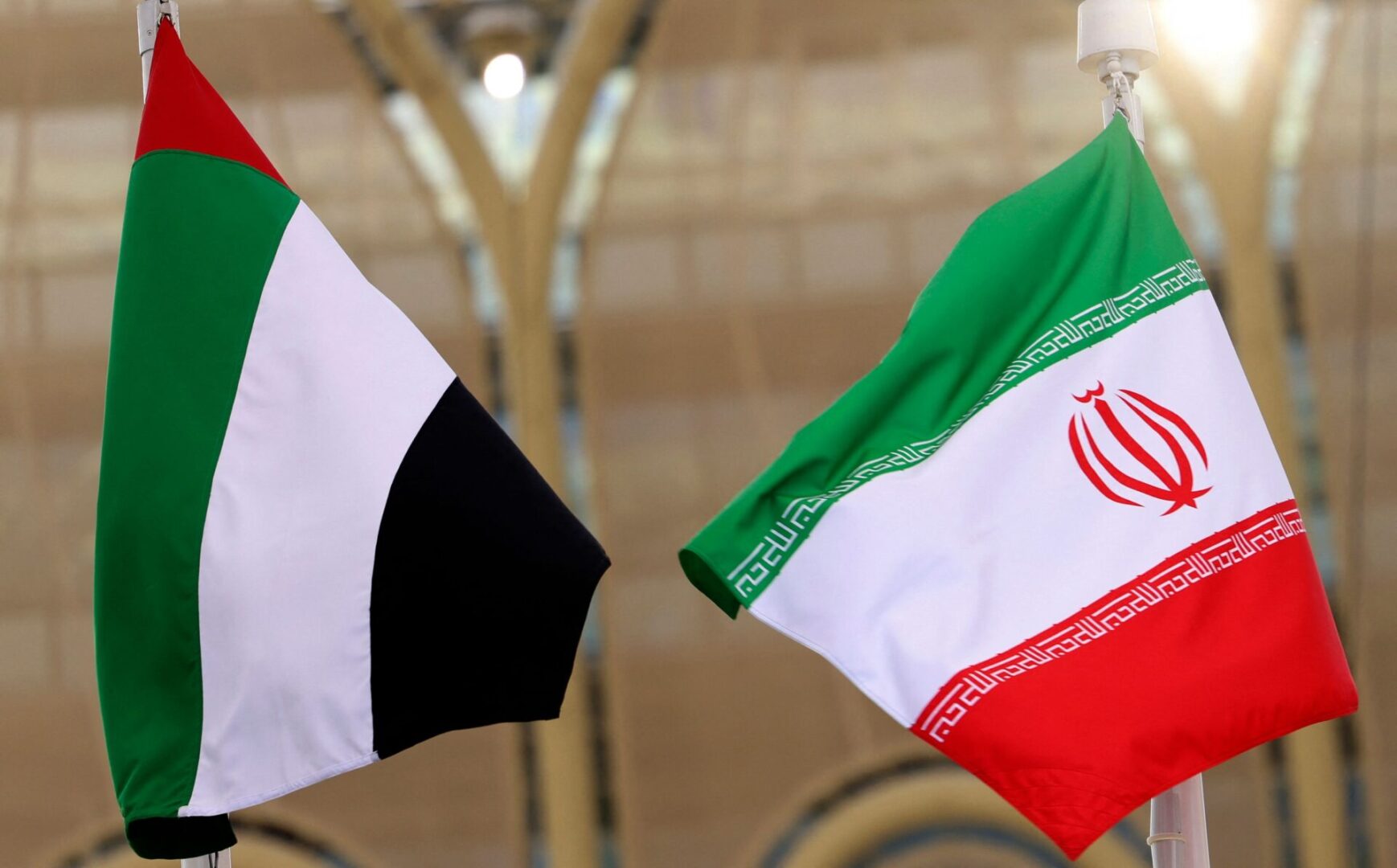
Despite the continued strength of Dubai’s real estate market, investing in Dubai property has become more complex for Iranian investors in 2026. The challenge is no longer finding attractive investment opportunities—Dubai continues to offer strong rental yields, a stable economy, and a favorable tax environment. Instead, the primary obstacles lie in regulatory compliance, international banking procedures, and enhanced due diligence.
For Iranians buying property in Dubai, understanding these requirements before entering the market is essential. Proper preparation can significantly reduce delays and improve the overall investment experience.
One of the most significant hurdles for Iranian investors is the increasing level of scrutiny applied by banks operating in the UAE. As financial institutions strengthen their Anti-Money Laundering (AML) and Know Your Customer (KYC) procedures in line with international compliance standards, cross-border transactions involving sanctioned or higher-risk jurisdictions often receive additional review.
For many Iranian buyers, opening a bank account or transferring funds for a Dubai real estate purchase may require more documentation than applicants from lower-risk jurisdictions. This does not prevent investment, but it often results in a longer and more detailed compliance process.
A key requirement is demonstrating the Source of Funds (SOF). Banks may request supporting documents that clearly explain how the investment capital was earned and transferred. Employment records, business income, asset sales, inheritance documents, or audited financial statements are commonly used to satisfy these requirements. Preparing this documentation in advance can significantly reduce processing time.
Recent geopolitical developments have added another layer of complexity for Iranian investors. The escalation of tensions between Iran and the United States, including the military confrontation in 2026, has prompted many financial institutions across the region to adopt a more cautious approach toward cross-border transactions involving Iranian nationals. While these developments have not resulted in a legal ban on Iranians buying property in Dubai, they have contributed to stricter compliance reviews, more detailed source-of-funds verification, and longer processing times for certain banking and property-related transactions. These measures are driven primarily by financial risk management and international compliance obligations rather than changes to Dubai’s real estate laws.
At the same time, these geopolitical tensions have created understandable concerns among many Iranian investors and families considering relocation or long-term investment in Dubai. Some prospective buyers have worried that the conflict could eventually lead to tighter immigration policies or even deportation, prompting them to delay purchasing Dubai property. However, as of 2026, there has been no official announcement or policy from the UAE government indicating a general deportation of Iranian nationals or restricting Iranians from legally buying and owning real estate in Dubai. Investors who comply with UAE regulations and complete the required compliance procedures continue to purchase and own Dubai real estate without changes to their ownership rights. In practice, the primary impact of recent geopolitical events has been increased regulatory scrutiny rather than new legal restrictions on Iranian property buyers.

Another consideration for Iranian property buyers in Dubai is the possibility of enhanced identity verification and compliance checks during certain stages of the transaction. Depending on the buyer’s profile, the financial institution involved, and the structure of the purchase, authorities or regulated entities may request additional documentation before completing the transaction.
Although many transactions proceed without significant delays, some Iranian investors may experience longer review periods due to enhanced compliance procedures. In certain cases, additional documentation may be requested before the property registration process is finalized. These reviews are conducted on a case-by-case basis and should not be interpreted as a blanket restriction on Iranians investing in Dubai real estate.
For this reason, experienced legal advisors and licensed real estate professionals generally recommend that Iranian investors complete all compliance documentation—including identity records, proof of residence, and comprehensive Source of Funds documentation—before signing a Sale and Purchase Agreement (SPA). A well-prepared application significantly reduces the likelihood of delays and helps ensure a smoother path toward property registration and title transfer.
For many Iranian investors, purchasing Dubai real estate is about more than capital appreciation or rental income—it is also a pathway to long-term residency in one of the world’s fastest-growing business hubs. Depending on the value of the investment and the buyer’s circumstances, Dubai property can qualify investors for several residency options, each offering different benefits and validity periods.
| Visa Type | Typical Validity | Main Requirements | Best For |
|---|---|---|---|
| 2-Year Property Investor Visa | 2 Years | Qualifying residential property meeting the minimum investment threshold | Investors seeking renewable residency |
| Retirement Visa | 5 Years (renewable, subject to eligibility) | Meeting retirement age and financial/property requirements | Retirees looking to live in Dubai |
| 10-Year Golden Visa | 10 Years | Higher-value qualifying property investment under current UAE regulations | Long-term investors and high-net-worth individuals |
For Iranians buying property in Dubai, selecting the appropriate residency route should be part of the investment strategy from the beginning. While residency is not guaranteed solely by purchasing property, qualifying investments can provide access to long-term residence, greater flexibility for family members, and easier access to banking and business services within the UAE.
The UAE Golden Visa continues to be one of the strongest incentives for investing in Dubai real estate. In recent years, the government has introduced greater flexibility to encourage long-term investment while maintaining strict regulatory standards.
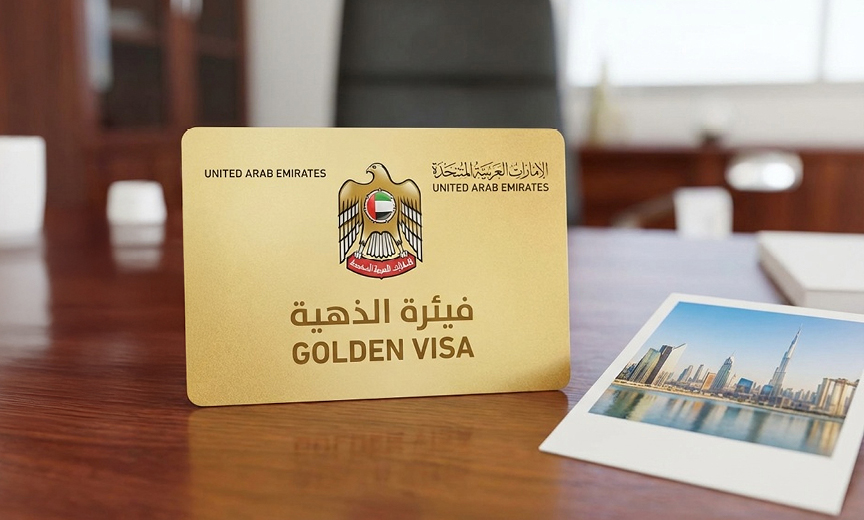
One of the most significant developments for Iranian investors and other international buyers is the broader acceptance of qualifying off-plan properties for Golden Visa applications. Subject to the applicable regulations and approval requirements, eligible investors may apply based on qualifying off-plan purchases without necessarily paying the full property value upfront. This represents a meaningful shift from earlier practices, making long-term residency more accessible for investors purchasing premium developments through structured payment plans.
Nevertheless, eligibility continues to depend on the property’s qualifying value, the developer’s approval status, and compliance with UAE immigration regulations. Investors should therefore confirm the latest requirements before relying on a property purchase for residency purposes.
Although Dubai remains one of the world’s most tax-efficient real estate markets, Iranian investors should budget for several acquisition and ownership costs beyond the purchase price.
The largest upfront expense is the Dubai Land Department (DLD) transfer fee, which is generally 4% of the property’s purchase price. Buyers should also account for registration fees, trustee office charges where applicable, and administrative processing costs associated with completing the transaction.
After the purchase, most apartment owners are responsible for annual Service Charges, which cover the maintenance of common areas, security, landscaping, building management, and shared facilities such as swimming pools and gyms. These charges vary depending on the community, property type, and level of amenities.
Understanding these additional expenses allows Iranian buyers to calculate the true cost of owning Dubai property and make more accurate investment decisions. When these costs are incorporated into the financial analysis from the outset, investors can better evaluate both the expected rental yield and long-term return on investment from Dubai real estate.
For many Iranian investors, delaying a property purchase is not always the safest strategy. While no market can guarantee future returns, several factors continue to support investing in Dubai real estate in 2026.
One of the strongest motivations is wealth preservation. Given the continued depreciation of the Iranian Rial and persistent domestic inflation, many Iranians view Dubai property as a stable, dollar-pegged asset capable of protecting purchasing power over the long term. Because the UAE Dirham is pegged to the U.S. Dollar, investors gain exposure to a relatively stable currency while diversifying assets outside the Iranian market.
Another important advantage is the availability of interest-free developer payment plans. Many leading developers in Dubai continue to offer flexible installment schedules extending over several years, allowing buyers to secure today’s prices without requiring full upfront payment. For Iranian investors, these payment plans can improve cash flow management while providing access to premium projects that might otherwise require significantly larger initial capital.
Investing during the construction phase may also create opportunities for capital appreciation. Historically, well-located projects developed by reputable developers have experienced value growth between launch and handover, although future performance depends on overall market conditions, project execution, and demand. Selecting the right location and developer therefore remains one of the most important factors in maximizing returns from Dubai real estate.
Despite the positive long-term outlook for Dubai’s real estate market, waiting may be the more appropriate decision for certain Iranian investors.
Following several years of strong price appreciation, some market analysts believe selected segments of the market could experience moderate price stabilization or limited corrections during late 2026 or 2027, particularly in areas with significant new supply. While this does not necessarily indicate a market downturn, buyers focused on maximizing entry value may prefer to monitor pricing trends before making a commitment.
Another consideration is project quality. Not all Dubai property developments offer the same level of investment security. Projects launched by smaller or less-established developers may carry higher execution risks, including construction delays, slower resale demand, or lower rental performance. Investors who prioritize capital preservation may therefore benefit from waiting until stronger opportunities become available or focusing exclusively on projects backed by established developers with proven delivery records.
Ultimately, waiting should be viewed as a strategic choice rather than a sign of hesitation. The right timing depends on an investor’s financial objectives, risk tolerance, and investment horizon.
Although off-plan properties in Dubai continue to attract Iranian investors through competitive pricing and flexible payment plans, they also introduce risks that deserve careful consideration.

One of the most significant concerns involves cross-border fund transfers. Because installment payments are spread over several years, changes in banking regulations, sanctions, or international payment channels could make future transfers more complicated for some Iranian buyers. If scheduled payments cannot be completed on time, investors may face contractual penalties, late payment fees, or, in serious cases, the risk of contract termination, depending on the terms of the Sale and Purchase Agreement (SPA).
For this reason, Iranian investors should not evaluate an off-plan property solely on its expected return. Equally important is ensuring a reliable long-term funding strategy, maintaining compliant banking channels, and carefully reviewing payment obligations before signing any agreement. Working with experienced legal advisors and reputable developers can significantly reduce these risks while improving the overall security of a Dubai real estate investment.
One of the greatest advantages of Dubai real estate is the wide selection of freehold communities, where foreign nationals—including Iranian investors—can legally purchase and own property with full ownership rights. However, not all freehold areas offer the same investment profile. Selecting the right location is often more important than selecting the property itself.
For investors seeking long-term stability, premium communities such as Downtown Dubai, Dubai Marina, and Business Bay continue to benefit from strong international demand, limited supply in prime locations, and high liquidity. These districts typically attract professionals, expatriates, and global investors, making them suitable for buyers prioritizing capital preservation and consistent rental demand.
In contrast, emerging communities such as Jumeirah Village Circle (JVC), Dubai South, and selected areas along new infrastructure corridors continue to attract investors looking for higher growth potential. Although these markets generally involve greater investment risk, they may also offer stronger long-term capital appreciation as surrounding infrastructure and population density continue to expand.
For Iranian investors, balancing premium assets with high-growth opportunities has become one of the most effective strategies for building a diversified Dubai property portfolio.
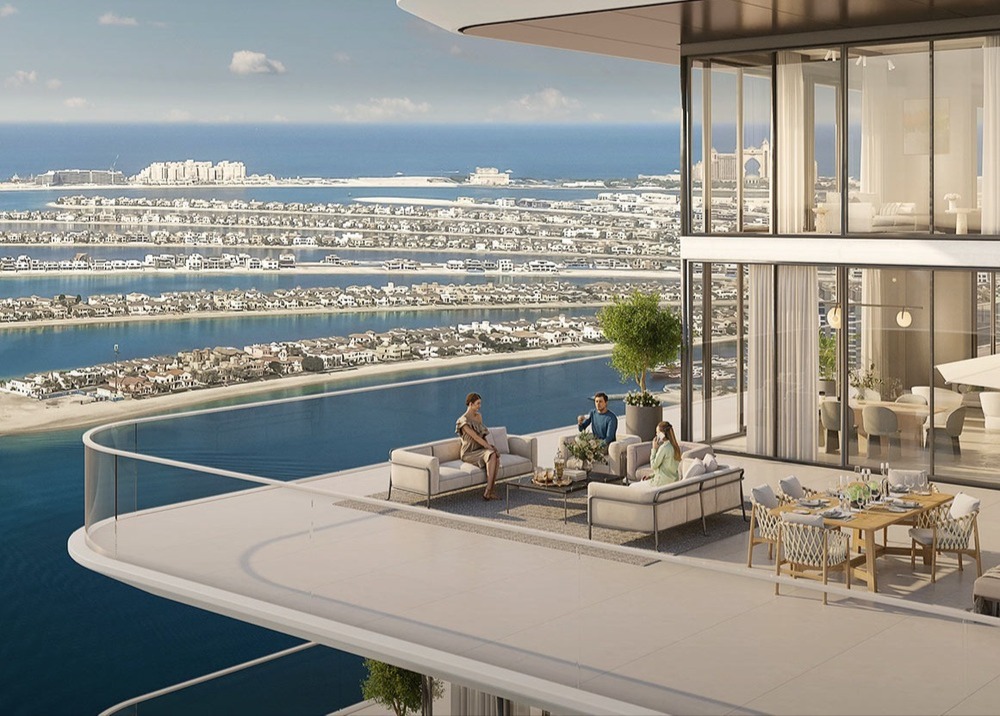
The following comparison highlights some of the most popular locations for Iranians buying property in Dubai.
| Area | Investment Profile | Typical Price Level | Rental Yield Potential | Best For |
|---|---|---|---|---|
| Dubai Marina | Premium Waterfront | High | Moderate to High | Rental income & international demand |
| Downtown Dubai | Luxury & Prime | Very High | Moderate | Capital preservation & prestige |
| Business Bay | Business & Mixed Use | High | High | Professionals & long-term appreciation |
| Jumeirah Village Circle (JVC) | High Growth | Mid-range | High | First-time investors & strong rental returns |
While Downtown Dubai and Dubai Marina continue to represent some of the city’s most established luxury markets, Business Bay has evolved into one of Dubai’s strongest mixed-use investment districts. Meanwhile, JVC remains one of the most attractive communities for investors seeking relatively affordable entry prices combined with above-average rental yields.
Rather than focusing solely on purchase price, Iranian investors should evaluate long-term rental demand, future infrastructure projects, population growth, and overall market liquidity before selecting a location.
In today’s market, choosing the right developer can be just as important as choosing the right location. For Iranian investors, purchasing Dubai real estate from a well-established developer significantly reduces many of the operational and execution risks associated with off-plan investments.
Leading master developers such as Emaar Properties, Meraas (part of Dubai Holding), Nakheel, Sobha Realty, and Aldar have established reputations for financial strength, construction quality, and timely project delivery. Their developments generally benefit from stronger resale demand, higher buyer confidence, and more stable long-term values.
This becomes particularly important for Iranians investing in Dubai property, who may already face additional banking and compliance procedures. Choosing a reputable developer cannot eliminate regulatory requirements, but it can reduce project-related risks such as construction delays, contractual uncertainty, and weaker secondary-market demand.
For this reason, experienced property advisors often recommend that Iranian buyers prioritize financially strong, well-established developers—especially when investing in off-plan projects. In an increasingly selective market, the developer’s reputation is no longer just a selling point; it has become a key factor in protecting long-term investment performance.
For Iranian investors, a successful Dubai real estate transaction begins long before signing a Sale and Purchase Agreement (SPA). Careful planning, complete documentation, and compliance with UAE regulations can significantly reduce delays and create a smoother investment experience.
A typical property purchase follows these steps:
For Iranians buying property in Dubai, working with experienced legal advisors and licensed real estate professionals throughout this process can help avoid unnecessary delays and ensure full regulatory compliance.
Banking and compliance procedures have become one of the most important aspects of Dubai property transactions for Iranian investors. Rather than viewing these requirements as obstacles, investors should approach them as part of the standard due diligence process designed to protect both buyers and financial institutions.
One contractual clause that deserves particular attention is “Subject to Security Clearance”. When included in the Sale and Purchase Agreement or reservation documents, this clause generally means that completion of the transaction remains subject to the necessary regulatory, banking, or compliance approvals. Investors should fully understand the legal implications of this provision and seek professional advice before signing any agreement.
Preparing a complete compliance file—including proof of identity, proof of address, and comprehensive Source of Funds documentation—before initiating the transaction can substantially reduce processing times and minimize requests for additional information.
As banking and regulatory procedures become more comprehensive, many Iranian investors choose to structure their investments in ways that simplify compliance while remaining fully aligned with UAE regulations.
Many investors begin by establishing a legitimate business presence in the UAE where appropriate, followed by obtaining an eligible residency status, opening a local bank account, and then proceeding with their Dubai real estate investment. This structured approach may simplify financial administration and banking relationships for investors whose business activities and residency plans support such a pathway. However, the suitability of this strategy depends on each investor’s individual circumstances and should be assessed with qualified legal and corporate advisors.
Some Iranian buyers prefer completed properties in the secondary market because they eliminate construction risk and often provide immediate rental income. In addition, completed properties may offer greater certainty regarding valuation, title registration, and occupancy. Regardless of whether the purchase involves an off-plan or secondary-market property, all transactions should be completed through lawful and transparent payment methods that comply with UAE banking and regulatory requirements.
One of the most overlooked aspects of investing in Dubai property is long-term liquidity planning. Flexible developer payment plans can make ownership more accessible, but investors should ensure they have sufficient financial reserves to meet future installment obligations under different economic scenarios.
Many experienced investors choose to maintain a significant liquidity buffer to protect against unexpected changes in exchange rates, banking procedures, or personal financial circumstances. For Iranian investors, whose assets may be affected by fluctuations in the value of the Iranian Rial, stress-testing future payment obligations under different currency scenarios can help reduce financial risk throughout the investment period.
Ultimately, successful investment in Dubai real estate depends not only on selecting the right property but also on maintaining a disciplined financial strategy. Investors who combine careful cash-flow planning with full regulatory compliance are generally better positioned to benefit from Dubai’s long-term property market opportunities.

For Iranian investors, choosing between Dubai real estate, Türkiye, Oman, or Cyprus is no longer simply a question of price—it is a decision based on long-term stability, legal transparency, residency opportunities, and return on investment.
While Türkiye continues to attract buyers with relatively affordable entry prices, its high inflation, currency volatility, and changing economic conditions have created additional uncertainty for long-term investors. Cyprus offers access to the European lifestyle and an established property market, but entry costs are generally higher and rental yields tend to be lower than those available in Dubai. Oman has introduced reforms to attract foreign investment, yet its market remains considerably smaller, with lower liquidity and fewer investment opportunities compared to Dubai.
For many Iranian investors, Dubai property continues to stand out because of its dollar-pegged currency, globally recognized regulatory framework, high rental demand, modern infrastructure, and favorable tax environment. Although banking compliance has become more rigorous, Dubai still offers one of the region’s most transparent and internationally connected real estate markets.
One of the defining characteristics of Dubai real estate is its ability to adapt to changing economic conditions. Like every major global property market, Dubai has experienced periods of correction following external shocks, including the 2008 global financial crisis and the COVID-19 pandemic.
However, history has shown that the market has repeatedly recovered through government reforms, infrastructure investment, regulatory improvements, and sustained international demand. Rather than relying solely on domestic buyers, Dubai property benefits from a highly diversified international investor base, making the market more resilient than many regional alternatives.
For Iranian investors, this resilience represents an important consideration when evaluating long-term wealth preservation rather than short-term speculation.
Before purchasing Dubai real estate, every Iranian buyer should complete the following checklist:
Completing these steps significantly reduces investment risk and improves the likelihood of a smooth transaction.
Every investment strategy should reflect both financial capacity and long-term objectives.

Entry-Level Investors should focus on established high-demand communities offering affordable prices and strong rental yields, such as Jumeirah Village Circle (JVC) or similar growth areas.
Mid-Level Investors may benefit from balanced portfolios combining rental income with long-term appreciation in locations such as Business Bay or emerging waterfront districts.
High-Net-Worth Investors seeking wealth preservation and prestige may find premium communities such as Downtown Dubai, Dubai Marina, or Palm Jumeirah better aligned with their objectives, where liquidity and international demand remain consistently strong.
Regardless of budget, Iranian investors should prioritize asset quality, developer credibility, and long-term sustainability over short-term market speculation.
So, should Iranian investors buy Dubai property now—or wait?
The answer depends less on market timing and more on investor readiness.
For buyers with a clearly documented source of funds, a long-term investment horizon, and sufficient financial flexibility, Dubai real estate continues to offer compelling opportunities through strong rental demand, a stable currency, attractive payment plans, and a transparent legal framework.
However, investors who are uncertain about their funding strategy, banking arrangements, or ability to meet future installment obligations may benefit from delaying their purchase until they are fully prepared. Waiting should not be driven by fear of the market, but by the need for stronger financial and regulatory readiness.
Ultimately, the question is no longer whether Dubai remains an attractive investment destination—it does. The more important question is whether the investor is fully prepared to take advantage of the opportunities the market offers.
Yes. Iranian citizens can legally purchase Dubai real estate in designated freehold areas, provided they comply with UAE laws, banking regulations, and documentation requirements.
Off-plan investments can offer attractive pricing and long-term appreciation, but buyers should carefully evaluate the developer’s reputation, payment schedule, contractual terms, and funding strategy before committing.
Yes. Qualifying property investments may make buyers eligible for various residency options, including investor visas and the UAE Golden Visa, subject to current immigration regulations.
The primary challenges are banking compliance, Source of Funds verification, and enhanced due diligence—not legal restrictions on owning Dubai property.
Whether you are purchasing your first investment property or expanding an international portfolio, our experienced advisors can help you navigate every stage of the process—from selecting the right Dubai real estate opportunity to managing legal documentation, banking procedures, residency applications, and post-purchase support.
With a data-driven approach and in-depth knowledge of the Dubai property market, we help Iranian investors make informed decisions with confidence.
Contents