Dubai, Turkey, or Oman? Avoid Costly Real Estate Investment Mistakes in 2026
 Ramtin
The year 2026 marks a turning point for Iranians considering overseas real estate investment. Economic shifts, financial restrictions, currency volatility, and evolving government policies in popular destination countries have made choosing the right property market far more complex than it was just a few years ago. Today, the decision extends beyond simply purchasing a residential property; investors are increasingly focused on selecting a market that offers capital security, long-term appreciation, and sustainable investment returns.
Among the leading destinations, Dubai continues to stand out as one of the region’s most attractive real estate markets. Its modern developments, transparent regulatory framework, tax-friendly environment, consistent property value growth, and strong rental demand have made it an increasingly appealing choice for Iranian investors. At the same time, countries such as Turkey, Oman, and several emerging markets are actively competing to attract more foreign capital, making the investment decision more challenging than ever.
If you are planning to enter these regional markets in 2026, this guide will provide a comprehensive framework to help you make an informed decision. Throughout this article, we compare these destinations based on security, profitability, ownership regulations, residency opportunities, economic risks, acquisition costs, and long-term growth potential—giving you the insights needed to choose the path that best aligns with your financial goals.
By 2026, Dubai’s real estate market has evolved into a mature and resilient investment destination, moving well beyond the speculative cycles of the past. Backed by a diversified economy, transparent regulations, and sustained international demand, the emirate continues to attract investors seeking long-term capital preservation and attractive returns.
One of Dubai’s greatest investment advantages is the stability of the UAE Dirham (AED), which remains firmly pegged to the U.S. Dollar at approximately AED 3.6725 per USD. This monetary policy provides investors with a high degree of currency stability, reducing exchange-rate volatility and helping preserve the value of their investments. For international investors, rental income and property appreciation are effectively linked to one of the world’s strongest reserve currencies, offering greater financial predictability over the long term.
One of the strongest advantages of the UAE’s property market is its transparent and well-regulated legal framework. The Dubai Land Department (DLD), together with the Real Estate Regulatory Agency (RERA), oversees off-plan property transactions through strict regulatory standards.
When purchasing an off-plan property, buyers’ payments are placed in a government-approved escrow account instead of being transferred directly to the developer. Funds are released only after verified construction milestones have been achieved, significantly reducing project-related risks while providing investors with a high level of financial security and confidence.
The UAE remains one of the world’s most tax-efficient real estate markets. Individual investors benefit from:
This favorable tax framework allows investors to maximize both rental returns and long-term capital appreciation, making the country’s property market particularly attractive compared with many European and North American alternatives.
Leading developers continue to offer highly competitive post-handover payment plans, making premium real estate more accessible to both domestic and international investors.
Common financing structures include:
These flexible arrangements reduce the need for substantial upfront capital while enabling investors to secure high-quality assets in one of the world’s fastest-growing property markets.st-growing real estate markets.
For many Iranian investors, understanding the legal framework is the first and most important step before purchasing property. The good news is that the UAE continues to welcome foreign real estate investment through a transparent legal system that protects property owners regardless of their nationality. In 2026, Iranian buyers can legally invest in the country’s property market, own assets in designated freehold areas, generate rental income, and, in many cases, qualify for long-term residency through real estate investment.
Unlike many countries that impose complex ownership restrictions on foreign nationals, the UAE offers a straightforward investment process backed by government regulations and the Dubai Land Department (DLD). This legal certainty has made the emirate one of the most attractive destinations for Iranians seeking asset protection, international diversification, and long-term wealth creation.
Yes. One of the biggest advantages for Iranian citizens is the ability to legally own 100% freehold property in government-designated freehold areas without holding a UAE residency visa or Emirates ID.
A residency visa is not required to purchase property. Investors can complete the entire acquisition process as non-residents, register ownership with the Dubai Land Department (DLD), and receive an official title deed confirming full legal ownership.
This allows Iranian investors to:
This investor-friendly ownership structure has been a major reason why the emirate continues to attract thousands of international buyers every year.
Managing rental income is an important part of every successful real estate investment. Although opening a traditional UAE bank account as a non-resident can involve additional compliance checks due to international banking regulations, property ownership significantly strengthens an investor’s financial profile.
Once an Iranian buyer receives a Dubai Land Department (DLD)-registered title deed, many banks provide pathways for opening non-resident savings accounts, subject to each institution’s internal compliance requirements.
Owning property in the UAE can help investors:
While documentation requirements vary between banks, a legally registered property is one of the strongest supporting assets during the account-opening process.
One of the most valuable advantages of investing in real estate is the opportunity to qualify for the 10-Year Golden Visa.
In 2026, investors who purchase eligible property with a value of AED 2 million or more may qualify for long-term residency under the UAE’s Golden Visa program, subject to meeting the applicable government requirements.
For Iranian families, this program offers much more than residency. It provides long-term stability, greater financial flexibility, and access to one of the world’s fastest-growing business hubs.
Key benefits of the Golden Visa include:
For many Iranian investors, purchasing property has become more than a way to achieve attractive rental yields or long-term capital appreciation. It is also a strategic decision to secure residency, diversify family assets, and establish a stable international base for future generations.
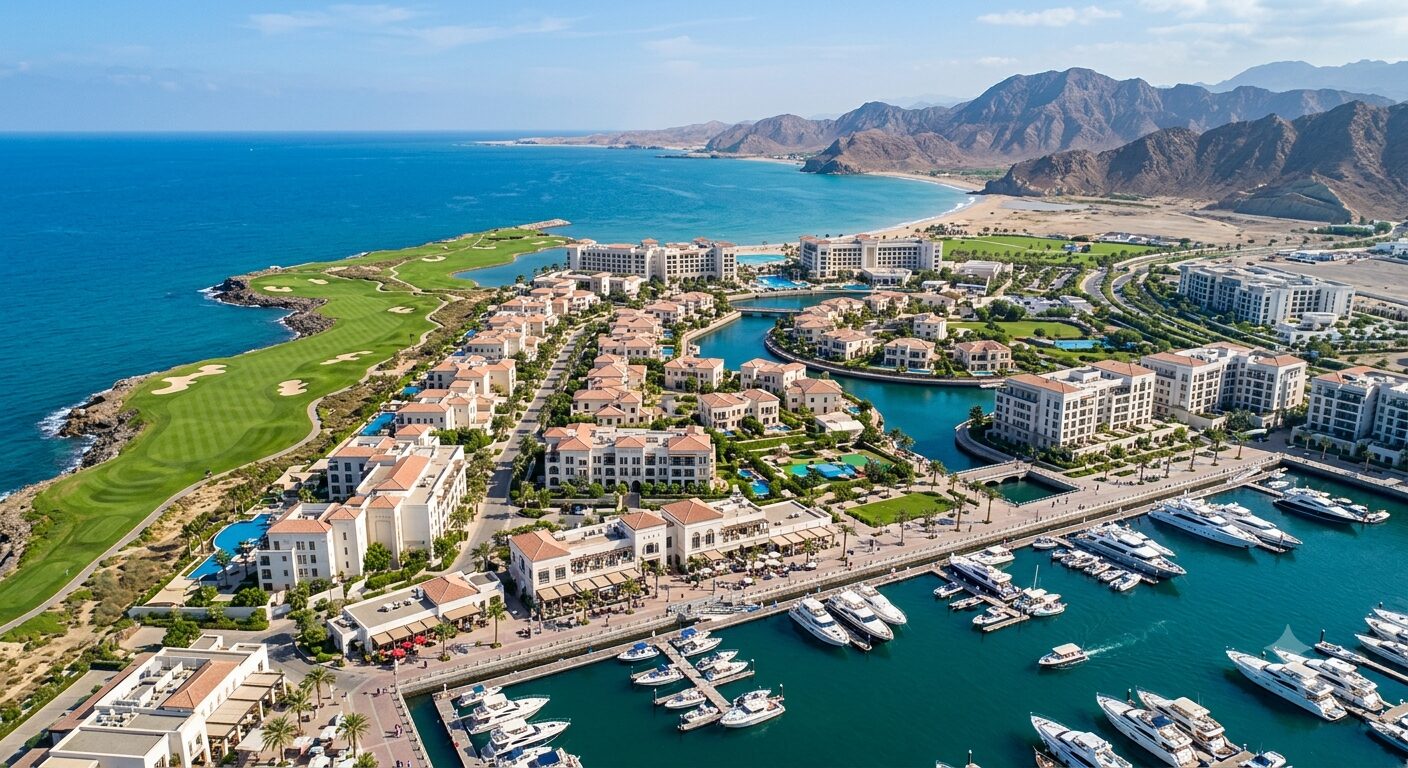
In recent years, Oman real estate has steadily gained the attention of Iranian investors seeking a secure destination to diversify their investment portfolios. Unlike fast-growing markets such as Dubai real estate, Oman offers a more conservative investment landscape that prioritizes long-term capital preservation over rapid appreciation. Its political stability, strategic location, investor-friendly reforms, and expanding tourism sector have transformed the Sultanate into an emerging destination for international property buyers.
For many Iranian property investors, Oman represents a peaceful and low-risk alternative within the Gulf region. However, before buying property in Oman, investors should carefully understand the country’s ownership regulations, residency options, expected rental returns, and market liquidity. While Oman offers excellent stability, its property market operates at a slower pace than Dubai, making it more suitable for long-term investors rather than those seeking quick profits.
One of Oman’s greatest competitive advantages is its long-standing diplomatic relationship with Iran. For decades, Oman has maintained a neutral foreign policy and strong bilateral ties with Tehran, making it one of the most politically stable countries in the Gulf Cooperation Council (GCC).
For Iranian investors, this diplomatic relationship provides an additional level of confidence when investing in Oman real estate. Compared to many international markets, Oman has consistently demonstrated political neutrality and economic cooperation with Iran, reducing concerns about sudden regulatory changes or geopolitical uncertainty.
As a result, investors whose primary objective is capital preservation often view Oman as one of the safest jurisdictions in the region for long-term property ownership.
Unlike Dubai real estate, where foreigners can purchase freehold properties across dozens of designated communities, Oman follows a more selective ownership model.
Foreign nationals—including Iranian buyers—can obtain 100% freehold ownership primarily within government-approved Integrated Tourism Complex (ITC) developments. These master-planned communities combine luxury residential projects with hotels, golf courses, marinas, retail centers, and recreational facilities, creating attractive investment opportunities for international buyers.
Some of the country’s most recognized ITC developments include:
Purchasing property within an ITC development may also provide eligibility for residency benefits under Oman’s investment regulations. Outside these designated zones, foreign ownership opportunities remain significantly restricted.
For this reason, understanding the ITC framework is one of the most important steps before making any real estate investment in Oman.
When comparing Oman’s property market with that of the UAE, the most significant differences become evident in rental yields, capital appreciation, and market liquidity.
The emirate has established itself as one of the world’s most active real estate markets thanks to continuous population growth, strong international demand, expanding tourism, and a thriving business environment. These economic fundamentals create higher rental demand, stronger property appreciation, and a highly liquid resale market.
Oman, by contrast, offers a more measured investment environment. Property values tend to increase gradually, rental demand is smaller, and resale transactions usually require more time. Investors benefit from greater market stability but should not expect the same level of short-term returns available in the UAE’s leading property market.
For investors focused on maximizing ROI, generating consistent rental income, and achieving long-term capital growth, the UAE generally delivers stronger performance. However, those who prioritize lower volatility and wealth preservation may find Oman’s property market better aligned with their financial objectives.
Residency benefits are another important factor that differentiates Oman’s property market from that of the UAE.
Oman offers residency opportunities linked to qualifying property investments; however, these residence permits are generally issued for shorter periods and require periodic renewals in accordance with immigration regulations. Investors should therefore expect additional administrative procedures throughout the ownership period.
By comparison, the UAE provides a significantly more attractive residency framework through its internationally recognized Golden Visa program. Eligible property investors who purchase qualifying real estate may obtain a renewable 10-year residency, allowing them to sponsor eligible family members while enjoying long-term stability and greater flexibility.
For Iranian investors seeking not only strong financial returns but also international mobility, family security, and long-term residency, the emirate continues to hold a substantial competitive advantage.
Ultimately, buying property in Oman remains an excellent option for investors whose primary goal is preserving wealth in a politically stable environment. However, for those seeking higher rental yields, stronger capital appreciation, better market liquidity, and more comprehensive residency benefits, the UAE’s leading property market remains the preferred destination for real estate investment in the Gulf region in 2026.

For more than a decade, Turkey real estate was one of the most popular destinations for Iranian investors seeking affordable overseas property, residency opportunities, and relatively easy market access. Cities such as Istanbul, Antalya, Ankara, and Izmir attracted thousands of Iranian buyers every year, making Turkey one of the leading real estate markets for foreign investment.
However, by 2026, the landscape has changed dramatically. A combination of economic instability, high inflation, currency depreciation, stricter residency regulations, and declining investor confidence has significantly reduced Turkey’s attractiveness as an international property investment destination.
Today, many Iranian property investors are shifting their attention toward more stable markets such as Dubai real estate, where stronger legal protections, higher rental yields, greater market liquidity, and long-term residency opportunities provide a more secure investment environment.
One of Turkey’s biggest attractions was its relatively accessible Citizenship by Investment and property-based residency programs. These initiatives encouraged thousands of international buyers—including many Iranians—to invest in Turkish real estate.
In recent years, however, the Turkish government has introduced stricter regulations and significantly increased the financial requirements for both citizenship and residency programs.
These changes have created several challenges for investors:
As a result, many Iranian buyers who once viewed Turkey as an affordable pathway to international residency are now exploring alternative destinations with more predictable investment frameworks.
Economic instability remains one of the greatest concerns affecting Turkey’s property market.
Although property prices in Turkish Lira have increased considerably, the continuous depreciation of the Turkish Lira (TRY) has significantly reduced the real value of rental income and capital gains for foreign investors.
Since residential rental payments are generally collected in local currency, international investors often experience substantial losses when converting rental income into stronger currencies such as the US Dollar or even the Iranian Toman.
At the same time, investors face:
Consequently, the nominal growth in property prices does not always translate into attractive real returns for foreign investors.
Another major difference between Turkey real estate and Dubai real estate is the overall cost of ownership.
Unlike Dubai, where investors benefit from no annual property tax and no capital gains tax on real estate, property ownership in Turkey involves several ongoing expenses that directly reduce net investment returns.
Common ownership costs include:
In many modern developments across Istanbul and other major cities, monthly Aidat charges have increased substantially due to inflation and higher operating costs.
These recurring expenses reduce net rental income and make it more difficult for investors to achieve strong ROI compared with competing markets such as Dubai.
Liquidity has become another significant concern within Turkey’s real estate market.
Selling property quickly has become increasingly difficult for many foreign investors due to:
For Iranian investors, this means capital may remain tied up for months before a successful sale can be completed, particularly in areas with oversupply or declining foreign demand.
By comparison, Dubai real estate continues to benefit from stronger international demand, higher transaction volumes, and one of the most liquid property markets in the Middle East, allowing investors to enter and exit the market with greater flexibility.
While Turkey real estate continues to attract buyers interested in lifestyle, tourism, and lower entry prices, it no longer offers the same investment advantages that made it a favorite destination for Iranian investors in previous years.
In contrast, Dubai real estate has established itself as a more resilient and internationally competitive market. With stronger legal protections, higher rental yields, greater liquidity, tax advantages, and long-term residency opportunities, buying property in Dubai remains one of the most attractive strategies for Iranian investors seeking to preserve wealth and maximize long-term returns in 2026.
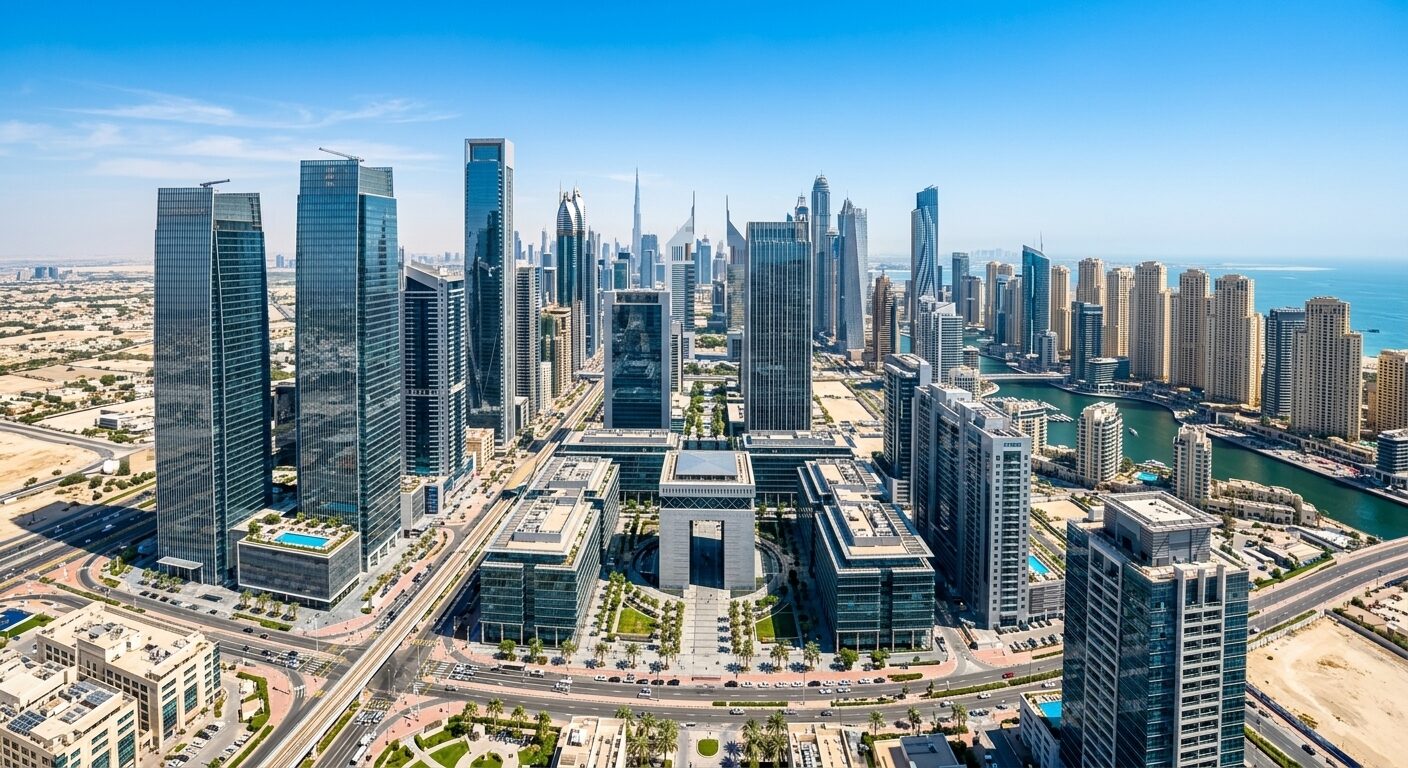
Residency benefits are another important factor that differentiates Oman’s property market from Dubai’s.
Oman offers residency opportunities linked to qualifying property investments; however, these residence permits are generally issued for shorter periods and require periodic renewals in accordance with immigration regulations. Investors should therefore expect additional administrative procedures throughout the ownership period.
By comparison, Dubai provides a significantly more attractive residency framework through its internationally recognized Golden Visa program. Eligible property investors who purchase qualifying real estate may obtain a renewable 10-year residency, allowing them to sponsor eligible family members while enjoying long-term stability and greater flexibility.
For Iranian investors seeking not only strong financial returns but also international mobility, family security, and long-term residency, this globally recognized property market continues to hold a substantial competitive advantage.
Ultimately, buying property in Oman remains an excellent option for investors whose primary goal is preserving wealth in a politically stable environment. However, for those seeking higher rental yields, stronger capital appreciation, better market liquidity, and more comprehensive residency benefits, Dubai remains the preferred destination for property investment in the Gulf region in 2026.
Choosing the right destination for real estate investment is no longer simply about comparing property prices. For Iranian investors in 2026, factors such as capital security, market liquidity, taxation, residency opportunities, rental income stability, and long-term investment growth have become equally important. While Dubai real estate, Oman real estate, and Turkey real estate each offer unique advantages, their overall investment profiles differ significantly.
Over the past few years, Dubai has established itself as the region’s leading international property market, benefiting from transparent regulations, a tax-efficient environment, strong rental demand, and exceptional liquidity. Oman continues to attract conservative investors looking for political stability and long-term wealth preservation, while Turkey has become a more challenging market due to currency volatility, economic uncertainty, and declining foreign investor confidence.
The comparison below highlights the key differences that every Iranian property investor should consider before making an overseas investment decision.
| Evaluation Metric | Dubai (UAE) | Muscat (Oman) | Istanbul (Turkey) |
|---|---|---|---|
| Rental Income Currency | UAE Dirham (AED), effectively linked to the US Dollar, providing excellent currency stability | Omani Rial (OMR), one of the region’s most stable currencies | Turkish Lira (TRY), subject to significant currency volatility |
| Market Liquidity | Extremely high with strong international demand and fast resale opportunities | Moderate liquidity with a slower resale market | Relatively low liquidity with longer selling periods |
| Off-Plan Investment Security | Excellent investor protection through regulated escrow account laws | Moderate protection depending on the project | Higher investment risk due to market uncertainty |
| Taxation on Rental Income | No personal tax on rental income and no annual property tax | Minimal taxation on property ownership | Annual property taxes and additional ownership costs apply |
| Capital Appreciation Potential | High, supported by strong economic growth and international demand | Moderate, with gradual long-term appreciation | Less predictable due to inflation and currency depreciation |
| Average Rental Yield | Generally between 6% and 8% in many prime communities | Typically between 4% and 6% | Varies considerably and is affected by inflation |
| Residency Opportunities | Eligible investors may qualify for the 10-Year Golden Visa | Property-linked residency with periodic renewals | Residency available under stricter investment conditions |
| Legal Transparency | Highly regulated with strong investor protections | Stable legal framework within approved ownership zones | More complex regulations and changing investment policies |
| Geopolitical Stability | Excellent | Exceptional | Variable depending on economic and political developments |
| Overall Investment Outlook (2026) | Best choice for long-term growth, liquidity, and wealth preservation | Suitable for conservative investors seeking stability | Increasingly challenging for investors focused on long-term returns |
The comparison clearly demonstrates why the UAE’s leading property market continues to outperform regional competitors for Iranian investors. Its combination of currency stability, high rental yields, world-class infrastructure, transparent regulations, tax advantages, and outstanding market liquidity creates an investment environment that few competing markets can match.
Oman’s property market remains an attractive alternative for investors whose primary objective is preserving wealth in a politically stable country with relatively low market volatility. Although returns may be lower and resale periods longer than those available in Dubai, Oman continues to appeal to buyers with a conservative, long-term investment strategy.
Meanwhile, Turkey’s property market has become considerably more difficult to recommend as a purely financial investment. Currency depreciation, rising ownership costs, slower liquidity, and evolving government policies have reduced its competitiveness compared with Dubai and Oman. While Turkey still offers lifestyle and tourism appeal, many Iranian investors now prioritize markets that provide stronger legal certainty, more predictable returns, and greater protection for international capital.
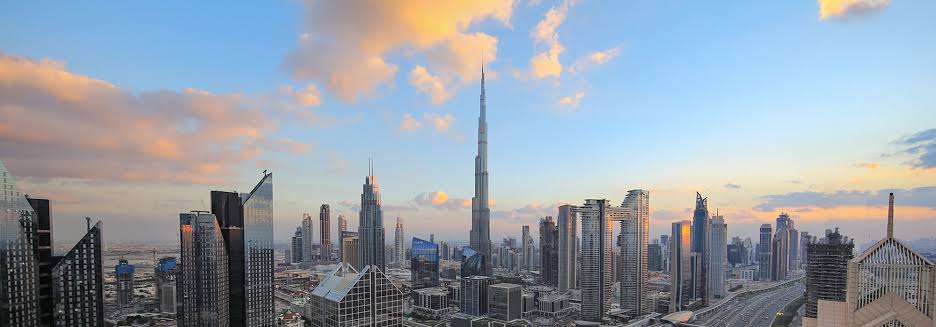
Selecting the right destination for international property investment in 2026 is no longer a simple decision based on property prices alone. For Iranian investors, today’s market demands a broader perspective that considers economic resilience, legal transparency, geopolitical stability, residency opportunities, currency strength, rental income, taxation, and long-term capital appreciation.
As global markets continue to evolve, choosing the right country can have a significant impact on both wealth preservation and future financial growth. Throughout this comparison, three major destinations have emerged with distinctly different investment profiles. Dubai has established itself as a global investment hub with strong economic fundamentals, world-class infrastructure, and one of the most transparent property markets in the Middle East.
Oman has gained attention as a stable and politically neutral market focused on capital preservation and conservative investing. Meanwhile, Turkey, despite its popularity in previous years, now faces increasing economic and regulatory challenges that have reduced its attractiveness for international buyers.
For Iranian investors whose highest priority is preserving wealth in a politically stable environment, Oman remains a compelling choice. The country’s long-standing diplomatic relationship with Iran, conservative economic policies, and relatively stable property market create an environment that appeals to investors seeking lower risk rather than aggressive returns.
Although Oman generally delivers lower rental yields and slower capital appreciation than its glitzy neighbor, it offers confidence, predictability, and long-term security for investors who value stability above rapid growth.
However, investors whose objective is building wealth, generating consistent rental income, and maximizing long-term returns are likely to find Dubai real estate the clear market leader. Over the past decade, this emirate has evolved into one of the world’s fastest-growing property markets, supported by a diversified economy, continuous population growth, increasing foreign direct investment, and ambitious government initiatives designed to attract global talent and international capital.
One of its greatest strengths is its ability to combine investment performance with financial security. Investors benefit from strong rental demand, attractive rental yields, continuous capital appreciation, a currency linked to the US Dollar, and one of the region’s most liquid secondary markets. Whether purchasing a luxury apartment, an off-plan property, or a family villa, buyers enjoy access to a highly regulated environment governed by transparent laws and robust investor protections.
In addition to financial returns, buying property here offers strategic advantages that extend beyond the transaction itself. Eligible investors may qualify for the 10-Year UAE Golden Visa, providing long-term residency, greater international mobility, and the opportunity to sponsor qualifying family members. For many Iranian families, this transforms an asset purchase into a long-term lifestyle and wealth-planning strategy, creating opportunities for education, business expansion, and international diversification.
Another factor that distinguishes this market from competing regions is its exceptional liquidity. Unlike many regional property sectors where selling an asset may take months, it benefits from a large and diverse international buyer base, allowing investors to enter and exit with greater flexibility. This liquidity, combined with the absence of annual property tax and capital gains tax, significantly enhances the long-term investment case.
By comparison, Turkey has become a considerably more complex investment environment in 2026. Ongoing inflation, continued depreciation of the Turkish Lira, rising ownership expenses, stricter residency regulations, and declining market liquidity have reduced the country’s appeal as a destination for long-term wealth creation. While Turkey may still attract buyers interested in lifestyle benefits, holiday homes, or personal use, investors focused primarily on financial performance should carefully assess the associated risks before allocating capital.
Ultimately, successful investment is not about chasing the lowest property prices or the highest advertised returns. It is about selecting a market with strong economic fundamentals, transparent regulations, sustainable demand, legal certainty, and a clear long-term growth trajectory. Investors who evaluate these broader factors are generally better positioned to protect their capital while benefiting from future market appreciation.
Looking ahead, the outlook for Dubai remains exceptionally positive. Continued infrastructure development, expanding business activity, record tourism figures, growing international migration, and government initiatives aimed at strengthening the investment climate all support its long-term prospects. These structural advantages continue to reinforce its reputation as one of the safest and most rewarding destinations in the world.
For Iranian investors seeking the optimal balance between investment security, rental income, capital appreciation, international mobility, and long-term wealth preservation, buying property in this global hub remains the strongest overall strategy in 2026. Oman continues to offer an excellent alternative for conservative investors prioritizing political stability and capital protection, while Turkey requires significantly greater caution due to ongoing economic uncertainty.
In the end, the most successful investment decision is one that aligns with your personal financial goals, investment horizon, and risk profile. By approaching the market with careful research, professional guidance, and a long-term perspective, Iranian investors can confidently build a diversified international portfolio that protects their wealth today while creating greater financial opportunities for the future.
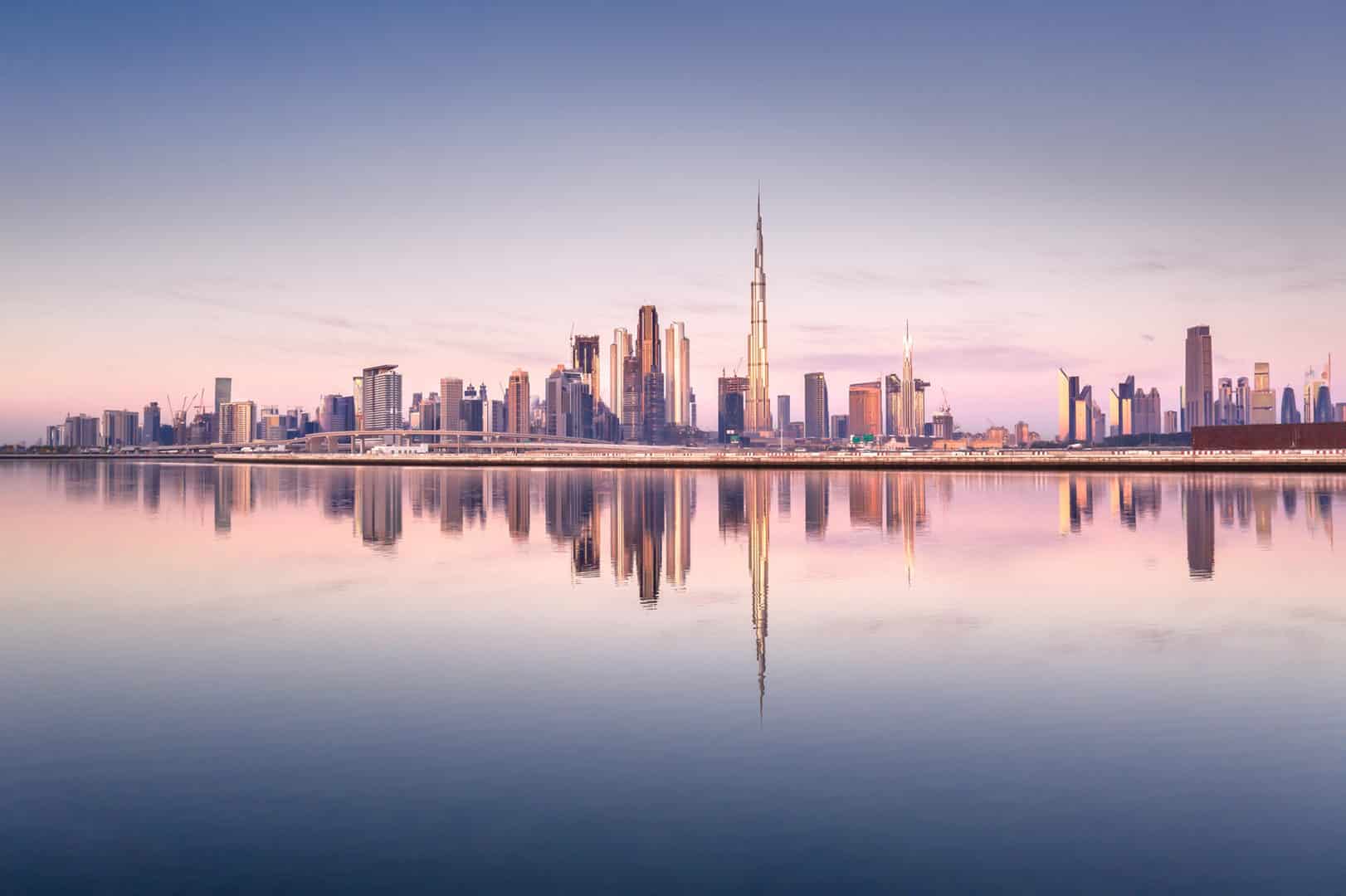
Yes, in many cases buying an off-plan property in Dubai can become the first step toward obtaining UAE residency, provided the investment satisfies the applicable government requirements. In 2026, investors purchasing qualifying Dubai real estate may become eligible to apply for residency once the required investment threshold has been met and the project documentation has been properly registered.
For investors aiming to qualify for the 10-Year UAE Golden Visa, the total qualifying property investment must meet the minimum value established by UAE authorities. In addition, the developer must issue the official Oqood registration certificate, which serves as the preliminary ownership document for off-plan properties. Once the relevant conditions are fulfilled, eligible investors can begin the residency application process through the appropriate government authorities.
Because immigration regulations may change over time, investors are advised to confirm the latest eligibility requirements before making a purchase.
When evaluating property investment from the perspective of long-term asset protection, both Oman and the UAE offer significant advantages, although for different reasons.
Oman has maintained decades of diplomatic neutrality and constructive regional relations, making it one of the most politically stable nations in the Gulf. This reputation has made the country an attractive destination for investors whose primary concern is preserving wealth in a secure environment.
Dubai, on the other hand, offers a highly transparent legal system supported by internationally recognized property laws and a sophisticated regulatory framework. Ownership is registered through government authorities, and buyers benefit from strong legal protections regardless of nationality. These safeguards, combined with a mature market and investor-friendly regulations, continue to strengthen confidence among international buyers.
For most foreign investors, both options offer a high degree of security. The choice ultimately depends on whether the priority is political neutrality and capital preservation, or broader opportunities with stronger growth potential and higher liquidity.
For investors with a budget below USD 150,000, careful capital allocation becomes especially important. Although Turkey was once considered the most accessible option within this price range, recent changes in residency regulations, combined with inflation, currency depreciation, and increasing ownership costs, have reduced its attractiveness as a long-term investment destination.
Today, many professionals consider the UAE to offer one of the strongest opportunities for investors with a moderate budget. Rather than purchasing an older completed unit elsewhere, this level of capital can often be used as a substantial down payment for an off-plan property in Dubai, allowing buyers to benefit from flexible developer payment plans while entering one of the world’s fastest-growing markets.
Master-planned communities such as Jumeirah Village Circle (JVC), Dubai South, Creek Harbour, and several other emerging districts continue to attract both investors and end users due to their strong growth potential, modern infrastructure, and increasing rental demand. By entering early through an off-plan acquisition, buyers may benefit from long-term capital appreciation while spreading the remaining payments over several years through interest-free installment plans offered by many developers.
For those seeking the best balance between affordability, long-term growth, rental income potential, and future residency opportunities, this approach remains one of the most compelling investment strategies available in 2026.
Contents